The EU Trades One Gas Dependence for Another
The bloc has swapped Russian pipelines for American tankers — without breaking its addiction to imported fossil fuels.
Social Europe is an award-winning digital media publisher driven by the core values of freedom, sustainability, and equality. These principles guide our exploration of society’s most pressing challenges. This archive page curates Social Europe articles focused on economic issues, offering a rich resource for innovative thinking and informed debate.
The bloc has swapped Russian pipelines for American tankers — without breaking its addiction to imported fossil fuels.
By coming out in favor of industrial policy after many decades of advising against government intervention in the economy, the World Bank has taken an important step.
Trump's unchecked Iran war is wrecking supply chains, reigniting inflation, and deepening a global affordability crisis.
As Beijing acknowledges its own overcapacity problem, new research reveals a more complex and more enduring threat to European manufacturing.
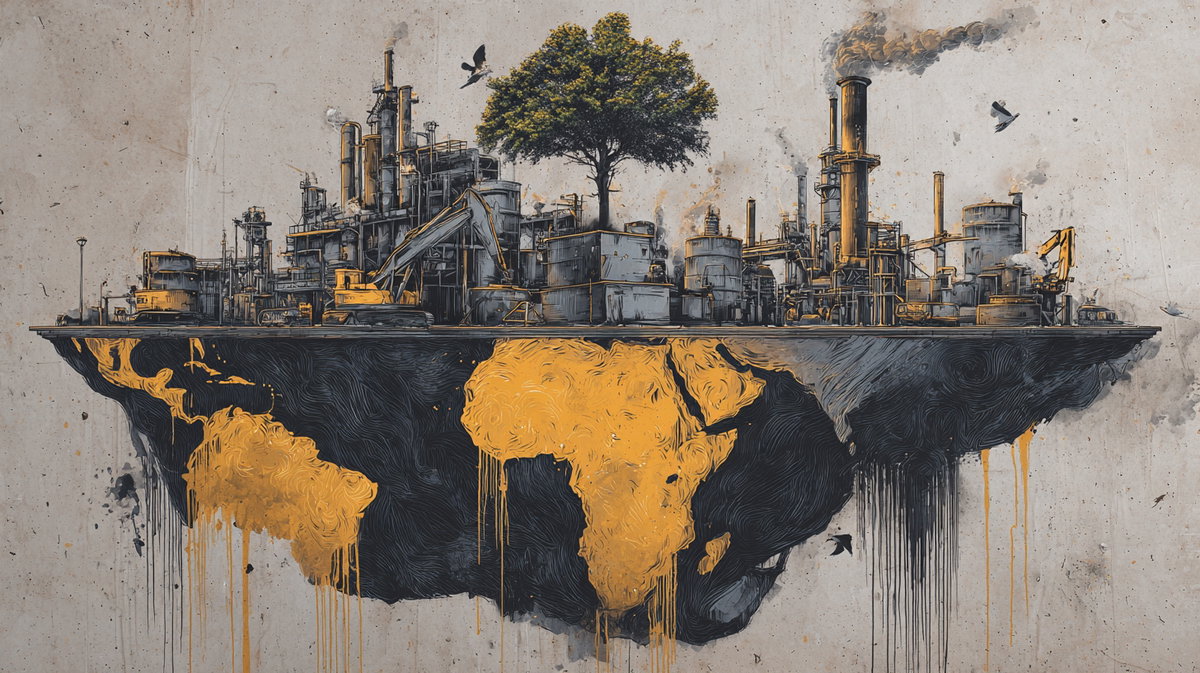
As the world is plunged into another energy crisis, market allocation is leading to grossly unjust outcomes, as the rich outbid the poor.
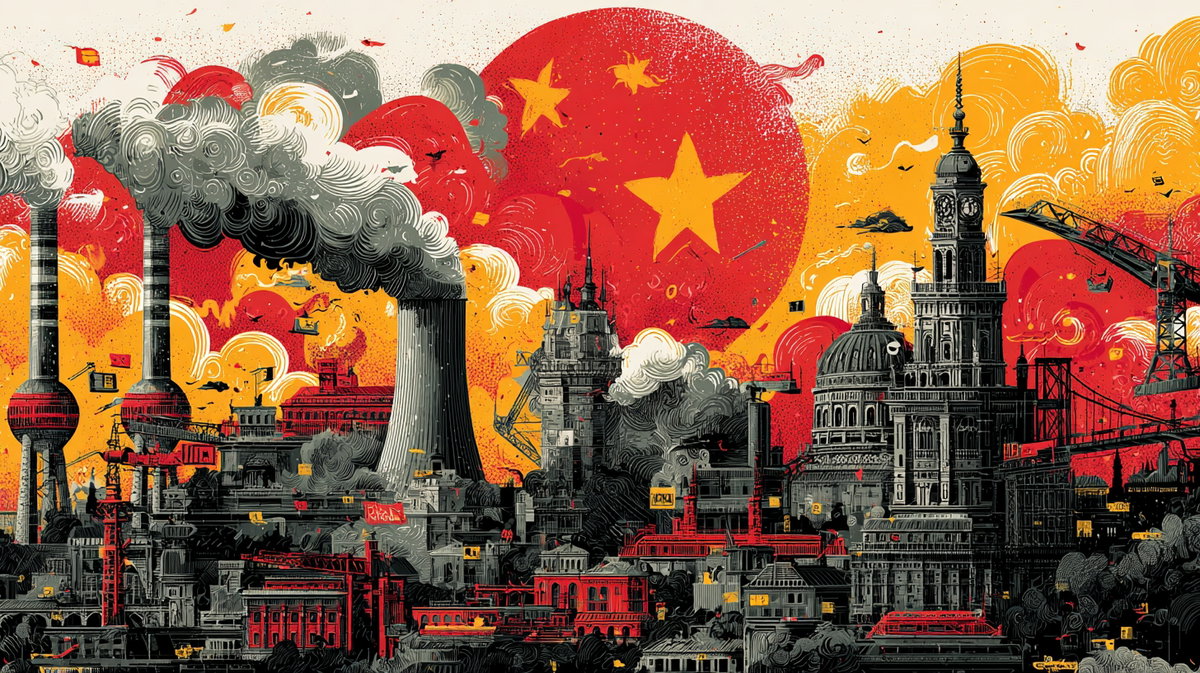
Surging Chinese exports, a sliding renminbi and a depleted European industrial base are colliding — and Brussels has run out of time to respond.
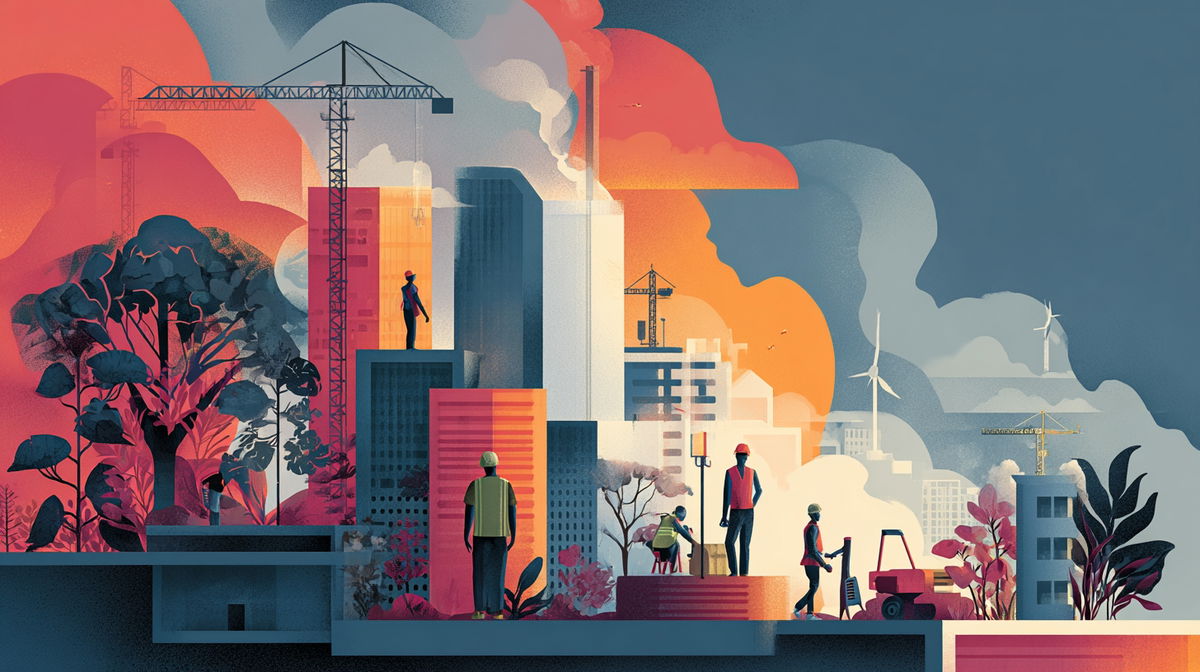
Progressive politics has rediscovered affordability, but an economic agenda that ignores the dignity and quality of work is only half a strategy.
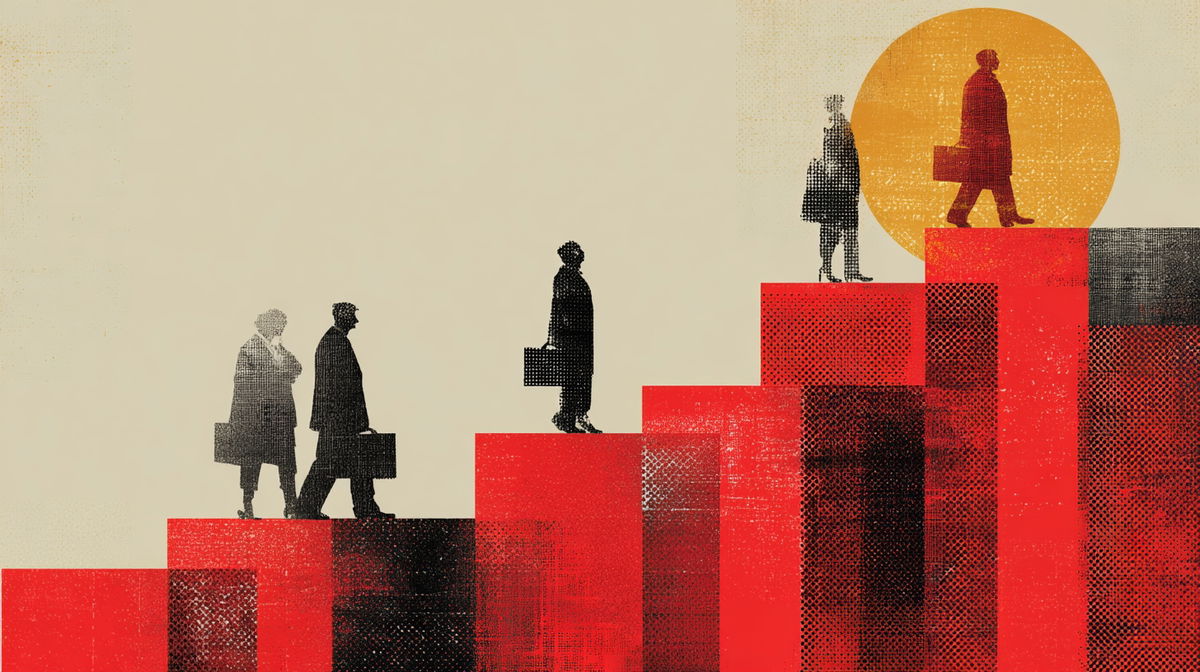
New research reveals that EU fiscal tightening reduces output, raises unemployment, and widens income gaps — especially during recessions.

Blaming labour protections for factory closures is not industrial policy — it is avoidance dressed as reform.
The European Commission's "simplification" package is, in fact, a deregulatory intervention that weakens workers' data rights.

Current legal frameworks leave workers dangerously exposed; only a binding directive can close the gaps.

Branko Milanovic asks whether we should continue to teach comparative economic systems to broaden students' horizons, or if the global ubiquity of capitalism renders such historical study obsolete.

AI transcription tools promise efficiency but bring legal exposure, surveillance risks, and threats to fundamental rights.

The EU's fastest-growing economy of the past two decades risks stalling unless it dramatically increases its rock-bottom spending on research and education.
Germany's faith in free markets has left it squeezed between China and America — but a defence-spending loophole offers unexpected hope.